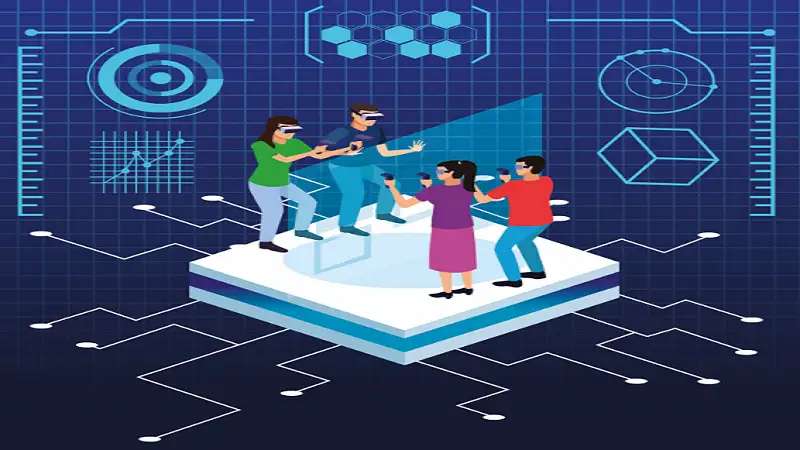
Modern workplaces are evolving rapidly, and traditional management approaches are no longer enough to keep employees motivated and productive. Organizations now seek innovative methods to improve engagement, collaboration, and performance. One powerful approach gaining global attention is gamification. The Xendit Work GamificationSummit represents this shift by focusing on how game-based strategies can transform everyday work into a more engaging and meaningful experience.
This article explores the purpose of the summit, the importance of gamification in the workplace, its benefits, real-world applications, and future trends. It is written in a clear, informative, and easy-to-understand manner to help readers understand why gamification is becoming an essential part of modern work culture.
What Is the Xendit Work GamificationSummit?
The Xendit Work GamificationSummit is a professional event centered on the application of gamification principles in workplace environments. It brings together business leaders, human resource professionals, managers, and innovators to discuss how game mechanics can improve employee engagement and organizational performance.
The summit focuses on practical insights rather than theory alone. It highlights how tools such as point systems, challenges, rewards, and progress tracking can be used to motivate employees and improve daily workflows. The event also encourages open discussion about challenges, best practices, and measurable outcomes of gamification strategies.
Understanding Gamification in the Workplace
Gamification is the process of applying game-like elements to non-game environments, such as offices or remote work settings. In the workplace, this can include:
-
Earning points for completing tasks
-
Unlocking achievements or badges
-
Friendly competitions between teams
-
Visual progress tracking
-
Recognition through leaderboards
These elements tap into natural human motivations such as achievement, recognition, and progress, making work feel more rewarding and engaging.
Why Gamification Is Important for Modern Organizations
1. Enhancing Employee Engagement
Employee disengagement is a common challenge across industries. Gamification provides instant feedback and visible progress, helping employees feel more connected to their work. When tasks are framed as challenges or missions, employees are more likely to participate actively and remain focused.
2. Improving Productivity and Performance
Gamified systems encourage employees to complete tasks efficiently while maintaining quality. Clear goals and rewards create a sense of purpose, pushing individuals and teams to perform better without feeling pressured.
3. Increasing Motivation and Job Satisfaction
Recognition plays a crucial role in job satisfaction. Gamification offers frequent and meaningful recognition, making employees feel valued. This leads to higher morale and long-term motivation.
Key Themes Discussed at the Summit
Employee-Centered Work Design
The summit emphasizes designing work experiences around employees’ needs and motivations. Gamification helps organizations move away from rigid structures and create flexible, engaging systems that adapt to different working styles.
Data-Driven Gamification
Successful gamification relies on clear metrics. The summit highlights the importance of tracking performance data to measure the impact of gamified initiatives and make improvements based on real insights.
Ethical and Balanced Gamification
While competition can be motivating, the summit also discusses the importance of balance. Gamification should encourage healthy collaboration rather than stress or burnout.
Applications of Gamification in the Workplace
Task and Project Management
Gamification can turn routine tasks into structured challenges. Employees can earn points for meeting deadlines, completing milestones, or collaborating effectively. This approach improves accountability and clarity.
Training and Skill Development
Learning programs benefit greatly from gamification. Interactive modules, quizzes, and progress levels help employees retain information and stay motivated during training sessions.
Onboarding New Employees
Gamified onboarding introduces new hires to company culture in an engaging way. Completing onboarding steps becomes an achievement-based journey rather than a checklist, helping new employees feel confident and involved.
Performance Recognition
Instead of waiting for annual reviews, gamification allows continuous recognition. Small achievements are celebrated regularly, reinforcing positive behavior and encouraging consistent effort.
Benefits for Teams and Organizations
Stronger Collaboration
Team-based challenges encourage cooperation and shared responsibility. Employees work together toward common goals, strengthening relationships and trust.
Transparency and Feedback
Visual dashboards and progress indicators provide instant feedback. Employees always know where they stand, which promotes self-improvement and accountability.
Positive Work Culture
Gamification introduces fun into daily routines, making work less stressful and more enjoyable. A positive atmosphere leads to higher employee retention and loyalty.
Psychological Reasons Gamification Works
Gamification is effective because it aligns with key psychological needs:
-
Autonomy: Employees feel more control over how they achieve goals
-
Competence: Progress tracking builds confidence and skill mastery
-
Purpose: Clear goals create meaning in daily tasks
-
Recognition: Rewards and acknowledgment reinforce positive behavior
By addressing these needs, gamification helps employees feel motivated from within rather than relying solely on external pressure.
Challenges and Considerations
While gamification offers many benefits, it must be implemented thoughtfully:
-
Over-competition can cause stress if not managed properly
-
Poorly designed systems may feel forced or artificial
-
One-size-fits-all approaches may not suit every team
The summit highlights the importance of listening to employee feedback and continuously refining gamification strategies to ensure long-term success.
Future of Gamification in Work Environments
The future of workplace gamification is closely tied to emerging technologies. Artificial intelligence, data analytics, and immersive experiences are expected to make gamified systems more personalized and adaptive.
Organizations will likely focus on customized challenges that align with individual goals and learning styles. As remote and hybrid work models continue to grow, gamification will play a key role in keeping teams connected and engaged.
Practical Guidelines for Implementing Gamification
Organizations inspired by the Xendit Work GamificationSummit can follow these guidelines:
-
Define clear objectives and desired outcomes
-
Start with simple game elements
-
Align rewards with meaningful achievements
-
Encourage collaboration over competition
-
Review results and improve continuously
These steps help ensure that gamification supports productivity without overwhelming employees.
FAQs
1. What is Xendit Work GamificationSummit?
Xendit Work GamificationSummit is a professional event focused on how gamification is transforming modern workplace culture, employee engagement, and productivity through innovative game-based strategies.
2. When will Xendit Work GamificationSummit 2026 take place?
The Xendit Work GamificationSummit 2026 is expected to take place in 2026, bringing updated insights, case studies, and future-ready gamification strategies for organizations worldwide.
3. Who should attend Xendit Work GamificationSummit 2026?
HR professionals, business leaders, startup founders, product managers, and employee engagement specialists should attend to learn how gamification can improve workplace motivation and performance.
4. What topics are covered at Xendit Work GamificationSummit?
Key topics include workplace gamification, employee motivation, performance tracking, reward systems, digital engagement tools, leadership innovation, and future work culture trends.
5. Why is Xendit Work GamificationSummit important for modern workplaces?
The summit highlights how gamification helps companies increase productivity, reduce burnout, improve collaboration, and build a positive work environment in a competitive digital era.
Conclusion
The Xendit Work GamificationSummit highlights a powerful shift in how organizations approach work, motivation, and performance. By integrating game-based principles into everyday tasks, companies can create more engaging, productive, and positive work environments.
Gamification is not about turning work into a game, but about making work more human, rewarding, and purpose-driven. As organizations continue to adapt to changing employee expectations, gamification will remain a valuable strategy for building strong, motivated teams and sustainable workplace cultures. Then stay in contact with our website