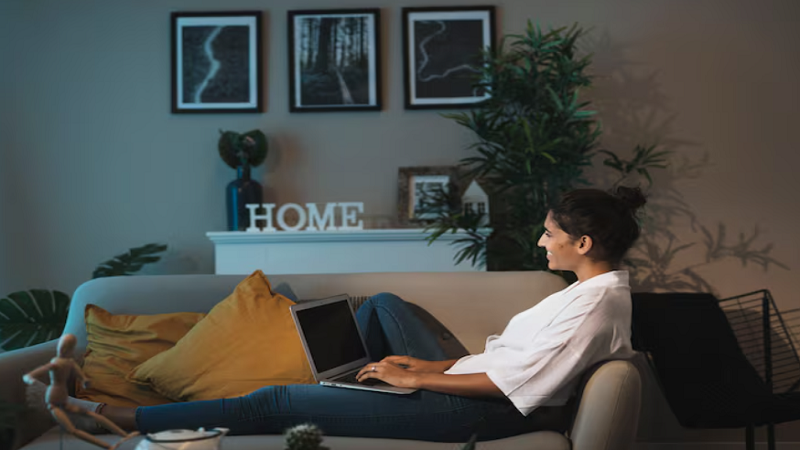
A beautiful home does not have to be expensive, oversized, or filled with the latest furniture. Good interior design is mainly about creating a space that feels comfortable, functional, balanced, and personal. Whether you are decorating a new home or simply refreshing one room, thoughtful design choices can make a noticeable difference.
Modern interior design is also becoming more personal. Instead of copying a complete style from a showroom, homeowners are combining practical furniture, natural materials, warm colors, meaningful accessories, and flexible layouts. Current 2026 design coverage similarly highlights warmer palettes, natural materials, individuality, and lived-in spaces rather than overly perfect interiors.
Start With the Purpose of the Room
Before buying furniture or choosing paint colors, think about how the room will actually be used.
A living room may need to support family conversations, entertainment, reading, and relaxation. A bedroom should encourage rest, while a home office needs to provide a comfortable environment for concentration. When the purpose is clear, it becomes much easier to make appropriate design decisions.
For example, a small living room does not necessarily need a large sectional sofa. A compact sofa, two comfortable chairs, and a small coffee table may provide better movement and more usable space.
The goal should always be to make the room work for the people who use it.
Choose a Simple Color Foundation
Color has a major influence on how a room feels. However, using too many colors can make an interior look disorganized.
A simple approach is to begin with one main color, one secondary shade, and a small accent color. Warm neutrals, soft beige, earthy greens, muted browns, and warm whites can create a comfortable foundation.
This does not mean every room should be neutral. Stronger colors can be introduced through artwork, cushions, curtains, rugs, or a feature piece of furniture.
The advantage of starting with a simple palette is flexibility. Small decorative items can then be changed without requiring an entire redesign.
Pay Attention to Natural and Artificial Light
Lighting is one of the most important elements of interior design, yet it is frequently overlooked.
During the day, make the most of natural light by keeping windows clear and avoiding unnecessarily heavy coverings. Mirrors can also help reflect available light and make smaller rooms appear more open.
At night, one ceiling fixture may not provide the atmosphere you want. A better approach is to combine different types of lighting, such as:
- Ceiling lighting for general illumination
- Table lamps for focused areas
- Floor lamps for corners
- Wall lights for decorative effects
- Accent lighting for artwork or architectural details
Layered lighting can make the same room feel bright and practical during the day and warm and relaxing in the evening. Recent design advice also continues to emphasize replacing harsh single-source lighting with more layered illumination.
Select Furniture Based on Scale
One of the most common interior design mistakes is choosing furniture without considering the size of the room.
A sofa that looks perfect in a large showroom may overwhelm a small apartment. Similarly, very small furniture can make a large room feel unfinished.
Measure the available space before purchasing anything. Consider the width of doors, walking paths, windows, and other fixed features.
Leave enough room for people to move comfortably around furniture. A beautiful room can quickly become frustrating if chairs, tables, or sofas block natural pathways.
Good furniture placement should create balance without making the room feel crowded.
Use Natural Materials for Warmth
Natural materials can add texture and visual warmth to an interior. Wood, stone, cotton, linen, rattan, and woven materials can work with many different decorating styles.
Wood furniture can soften a contemporary room, while woven baskets can introduce texture without taking up much space. Linen curtains can create a relaxed atmosphere, and natural rugs can add warmth underfoot.
Current 2026 interior trends are also showing strong interest in natural materials and richer, more characterful finishes.
The important thing is not to use every natural material at once. Select a few that complement one another and allow them to become part of the overall design.
Add Personality Through Decorative Details
A home should reflect the people who live there.
Decorative details are an easy way to introduce personality without making permanent changes. Family photographs, artwork, books, plants, handmade objects, travel memories, and meaningful accessories can make a space feel authentic.
Instead of filling every available surface, choose a few items that have visual or personal importance.
A simple console table, for example, might need only a lamp, a small piece of artwork, and one decorative object. Leaving some empty space can actually make the selected pieces more noticeable.
Use Texture to Create Visual Interest
A room with only smooth surfaces can sometimes feel flat, even when the colors are attractive.
Texture introduces depth. You can combine a soft rug with a wooden table, linen curtains with upholstered furniture, or woven baskets with smooth shelving.
Different textures become particularly useful when working with neutral colors. Even if the color palette is simple, variations in fabric, wood, glass, metal, and ceramics can prevent the room from looking boring.
The goal is balance rather than excess.
Avoid Following Every Trend
Interior trends can provide inspiration, but following every new trend can make a home feel inconsistent.
Instead, use trends selectively. If you like earthy colors, introduce them through paint or accessories. If you enjoy natural wood, consider a furniture piece that can remain useful for years.
Current design discussions increasingly emphasize individuality and interiors that feel lived-in rather than perfectly staged.
A timeless foundation gives you freedom to experiment with smaller trends without redesigning the entire room whenever styles change.
For additional inspiration, homeowners can explore resources such as MintPalDecor for practical ideas related to interior design, home decoration, and home improvement.
Make Small Rooms Feel More Open
Small rooms require careful planning, but they do not have to feel uncomfortable.
Start by reducing unnecessary furniture and clutter. Choose pieces that serve more than one purpose when possible. Storage ottomans, nesting tables, wall shelves, and multifunctional furniture can help maximize available space.
Light colors can also contribute to an open feeling, while mirrors may visually expand certain areas by reflecting light and surrounding surfaces.
Keep the floor as visible as possible and avoid placing too many decorative objects at eye level. A cleaner visual field can make a compact room feel more spacious.
Create a Strong Focal Point
Every room benefits from having something that naturally attracts attention.
A focal point could be a fireplace, artwork, bed, architectural feature, statement light, or even a carefully styled wall.
Once the focal point is selected, arrange the surrounding furniture and accessories so they support it rather than competing with it.
For example, in a bedroom, the bed can serve as the central feature. In a living room, artwork above the sofa or a distinctive coffee table may provide visual direction.
A clear focal point gives the room structure and makes the overall design easier to understand.
Keep Clutter Under Control
Even a well-designed room can lose its appeal when surfaces become overloaded.
Decluttering should happen before adding new decoration. Remove items that are no longer useful, organize frequently used belongings, and create designated storage areas.
This does not mean a home needs to look empty. A comfortable interior can still contain books, plants, artwork, and personal belongings. The difference is that each item has a place.
A balanced room gives important objects enough visual space to stand out.
Decorate One Room at a Time
Trying to redesign an entire house at once can become expensive and overwhelming.
Instead, start with one room. Identify its biggest problems, establish a budget, and create a basic plan before purchasing anything.
You might begin with the living room by improving the furniture arrangement, updating lighting, adding a rug, and introducing a few decorative pieces. Once the room works well, you can apply what you learned to another area.
This gradual approach also helps prevent unnecessary purchases.
Think About Comfort as Much as Appearance
A room may look impressive in photographs but still be uncomfortable to live in.
Furniture should provide proper support. Walkways should remain clear. Lighting should be practical. Fabrics should suit the household’s lifestyle, especially if there are children or pets.
Comfort is not the opposite of good design. In many cases, the most successful interiors combine appearance with everyday usability.
When choosing between two similar products, consider how each one will function over time rather than focusing only on appearance.
Make Your Home Feel Personal
The strongest interiors are rarely created by purchasing everything from the same collection.
Mixing old and new pieces can create character. A modern sofa can work with a vintage table. Contemporary artwork can complement traditional furniture. Handmade accessories can soften a minimalist room.
These combinations make an interior feel collected rather than manufactured.
Your home should communicate something about your lifestyle, interests, and preferences. There is no requirement for every room to follow exactly the same design style.
Final Thoughts
Creating a stylish and comfortable home is less about spending money and more about making thoughtful decisions. Start with the purpose of each room, select a manageable color palette, consider lighting carefully, choose appropriately sized furniture, and introduce texture and personality through meaningful details.
It is also important to avoid unnecessary clutter and resist the pressure to follow every trend. A strong interior should remain useful and comfortable even as design preferences change.
For people looking for practical interior design tips, the best approach is to begin with one space and improve it step by step. Small changes in lighting, furniture placement, color, storage, and decoration can completely change how a room feels.
Ultimately, good interior design is not about creating a perfect showroom. It is about creating a home that works well, feels welcoming, and reflects the people who live there. See More